
You know what we’re exceptionally good at as humans? And I am 1000% speaking to myself on this one too: I prepare for the absolute worst.
Not always successfully, mind you, but still.
And I don’t just mean casually thinking about it either — I mean fully preparing. Like studying for it, taking copious notes, then taking the metaphorical exam over and over until we ace it. Like that crazy-cakes level of preparation.

Brace for Impact: Our Default Setting
We mentally rehearse every possible outcome where things spectacularly and catastrophically fall apart, roll off a cliff, or land somewhere between going sideways and being hella awkward. At too many points in our lives, we’ve ingrained this sixth sense (read: sick sense) that preparing for the absolute worst means we’re being responsible. If we stay ready for meteoric impact, we’ll be a little less caught off guard.
So we move through life with our brace-for-impact setting permanently switched not only to “on” but to “Max Power.” Always scanning for the first signs of what might go wrong. We anticipate the off tone in emails that haven’t even been written yet. We start replaying negative conversations that also haven’t happened yet, complete with our ready-to-go reactions.
Sounds crazy? Yes. Because it is. But too many of us are wired to do it.

When Worst-Case Thinking Becomes Habit
Now don’t get me wrong. I’m a prepper myself, and many times I see the value in this. That kind of 360-degree thinking does help. It can make us cautious, thoughtful, prepared, even a little calmer. But this default setting can also keep us mentally stuck in a loop of worst-case possibilities. When we give all this time and energy to fully imagining what could go wrong, how in the heck can we pause long enough to let squeak in what might actually go right?
Lately, I’ve been wondering what would happen if I gave even a smidgeon of that attention to the best-case scenario instead. Not just one time, for one thing, but in many instances. And not in some grand, fake, delusional way, especially in the time we’re all living in. I mean a real and valid outcome, one that’s enough to shift the balance and let my optimism breathe.
In My One-and-Done Era
Because here’s something I know about myself: I’ve very much become a one-and-done person, especially in my Big Age. If I had to describe myself in a few words, “a BLOODY DELIGHT” is what I’d scream from any mountaintop, whether or not someone disagreed. I can confidently shout this because of one thing: my mates. I have the best mates. Babes who are truly genuine to their core. The ones you can be around in silence or noise and the feeling is the same: funny, restorative, supportive, inspiring, and cutthroat. I love my mates to infinity and beyond.
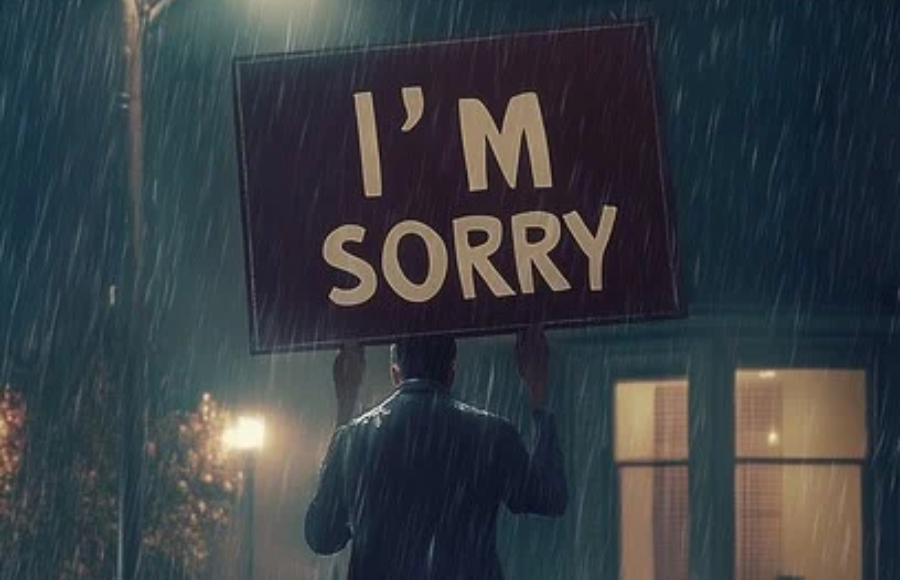
So more and more, I have resigned myself to taking people at their “first worst,” so to speak. We’re all human, and yes, we make mistakes. I certainly do. But a corrected mistake is acknowledged, apologized for, and followed by corrected behavior. I see patterns now. Maybe not right up front, but eventually. And once I do, I cannot unsee them. A moment doesn’t sit right with me. I think on it too long, and I mentally file it away as evidence. Case closed. Because what I’ve noticed is that for some, there’s no true apology. What they offer is a correction. A correction in their words, in their phrasing, or way they said the thing that was off. So their correction actually reads as cover. While this instinct has protected me more than once, it also means I can get stuck expecting the worst from people before they’ve fully had a chance to unfold.
It’s hardly a stretch to say this mindset can spill over into everything else. Passion projects. Opportunities. Starting something new that might be more challenging than you’re used to. Even ordinary risks that could put something good into your world. Here we go again, bracing for impact and disappointment.
A Simple Five Minutes
This led me to thinking sideways. Thinking smaller. Like taking five deep breaths in and out — a little five-minute adult-timeout. My AM and PM quick journal sheets (free here and here). I kept coming back to five. Five minutes here and there, where whatever I’m thinking about or working on, I intentionally imagine the best-case scenario. How it would play out in my own head if things actually went well. Landed better than I hoped. What would I say? How would I respond? Nothing extraordinary or life-altering. Just good.
And I mean… what’s smaller than five minutes? We can do five minutes.
Mentally Rehearsing the Good
If this feels like unfamiliar territory, same. But what if? It’s only five minutes. We can give it five minutes to let the good part of our brain take over for a bit. Mentally rehearsing for the satisfying instead of the catastrophic requires a different kind of focus. Five minutes of practicing the right, not just preparing for the wrong. Letting ourselves consider that there might not be some weird catch or unfunny gotcha-bitch waiting for us at the end.
We’re not ignoring reality. Not in this moment in time. But let’s be honest, it’s easy, almost the default, to get stuck in the negative with everything that surrounds us. News cycles that keep one-upping themselves, timelines set on chaos, and the constant hum of uncertainty in the background of this thing called life. It doesn’t take much to feel pulled under.

Staying Afloat Still Counts
But even while swimming through all of that (and doggie paddling is valid), staying afloat still counts. And sometimes barely staying afloat looks like deliberately choosing where your mental energy goes for a few minutes each day. And I did say five minutes, right?
It doesn’t require a complete personality shift or a perfect routine. It just requires a willingness to try. To notice where our thoughts naturally go and gently redirect them. To ask yourself, “What if this works?” and sit with that question long enough to feel a shift.
Preparing for the worst may always be part of how many of us move through the world. That instinct doesn’t disappear overnight. But it doesn’t have to be the only setting we operate from day after day. We can keep our instincts sharp, continue to stay wise, and still stay open for something else – something good alongside it.